Summer in the Sierra Trip #2: A frog reintroduction, Mt. Lyell salamanders, and effervescent wildflowers
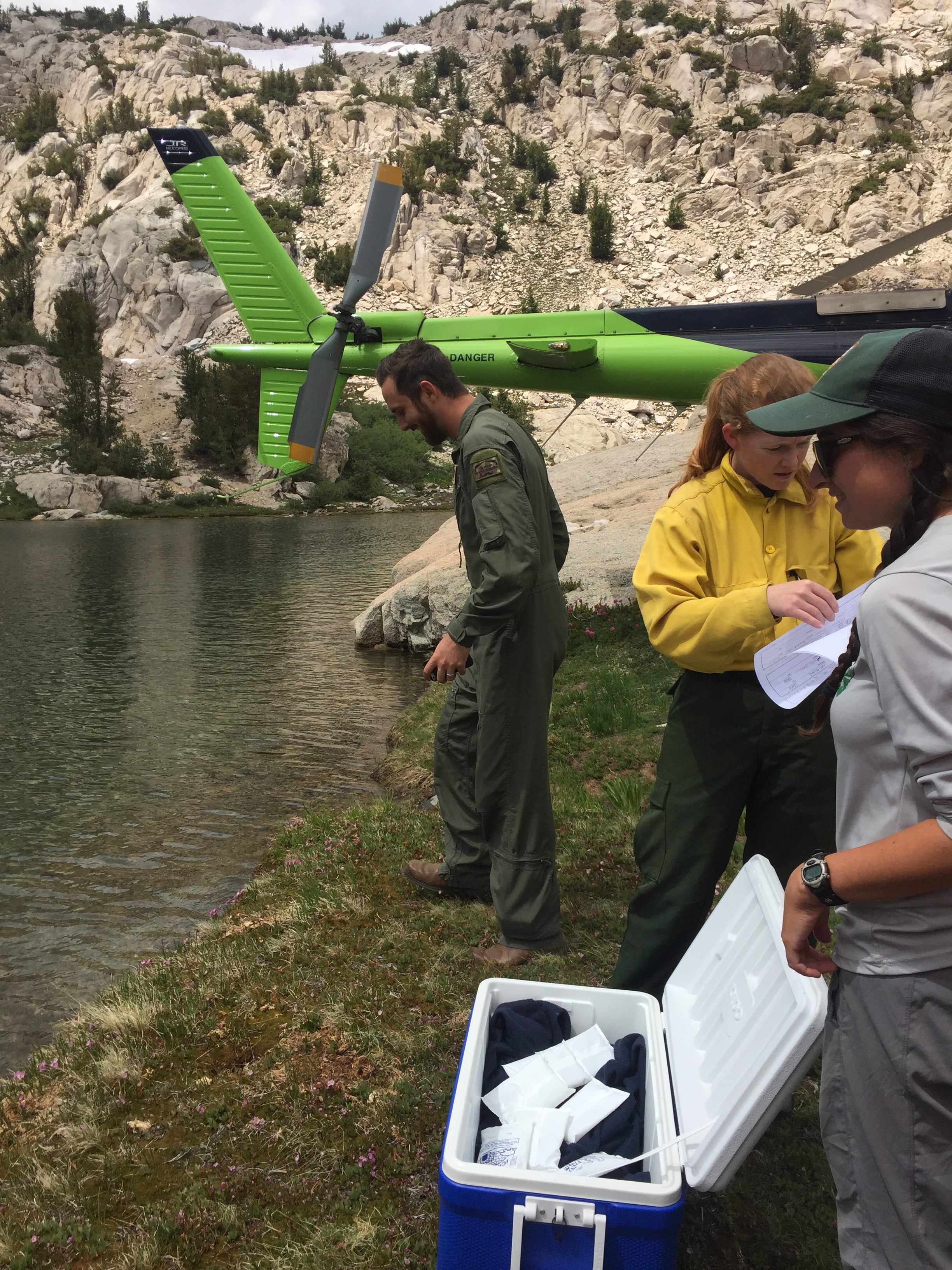
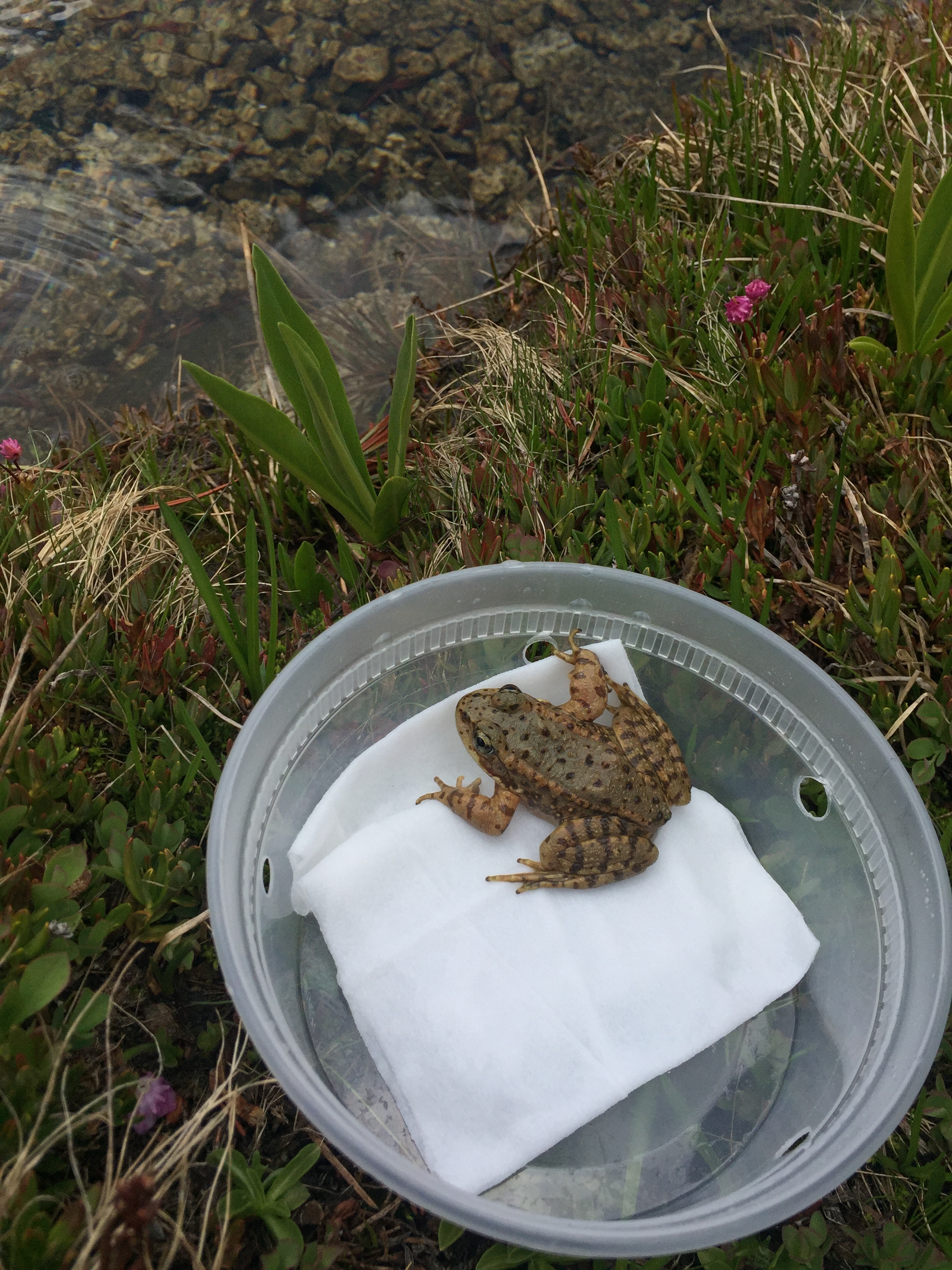
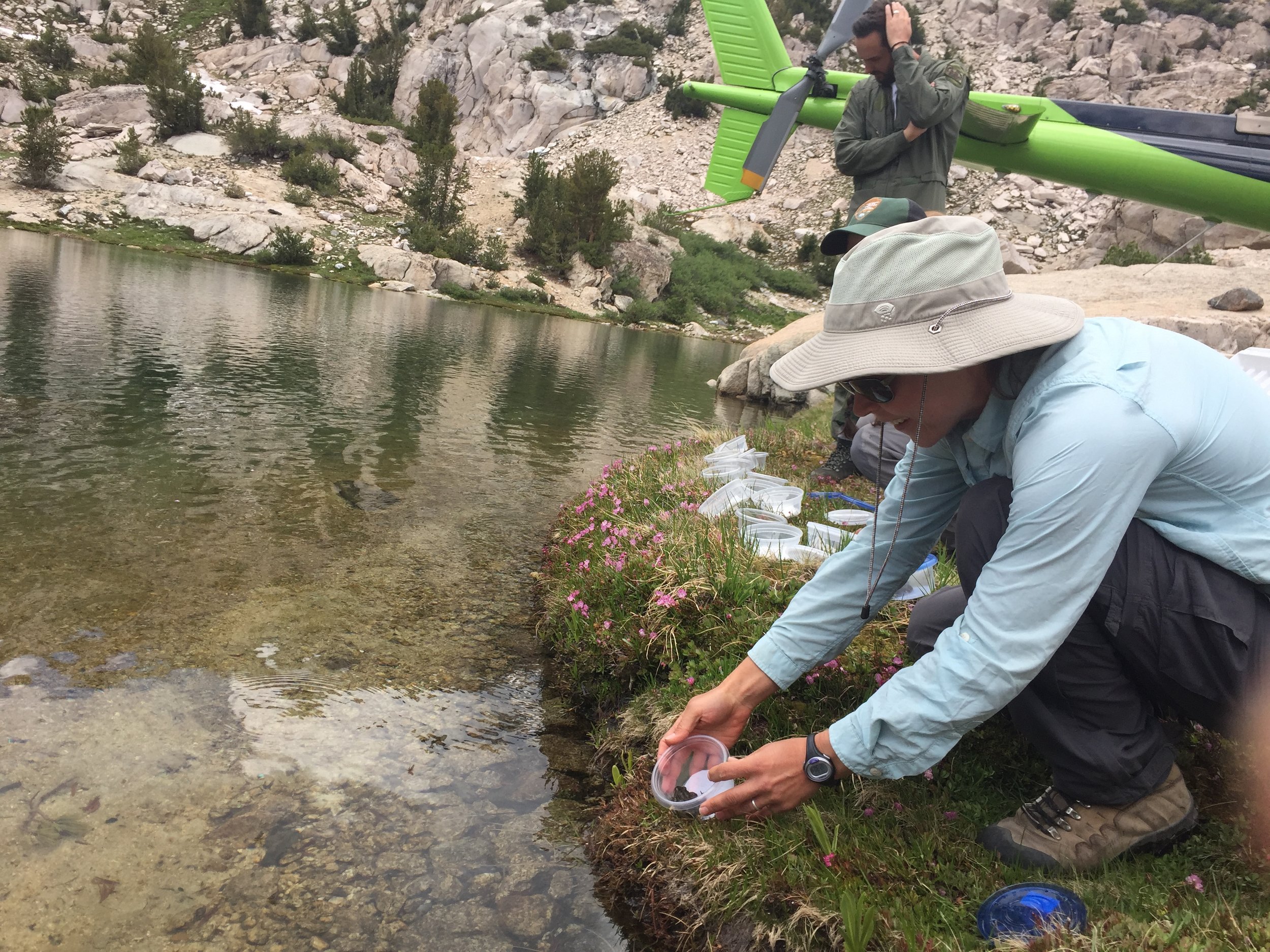
This week, we hiked to the site where my field partner and I will spend our next three 10-day trips. This basin is very different from the last, and about 400 feet lower, with more trees and fewer frogs. Having been hit by the amphibian chytrid fungus, the mountain yellow-legged frog populations here are persisting at a very low level. Frogs are even being flown up to higher fishless lakes in the basin to try to bolster their numbers, and this basin harbors one of those lakes.
"Nature is not a place to visit; it is home." -Gary Snyder

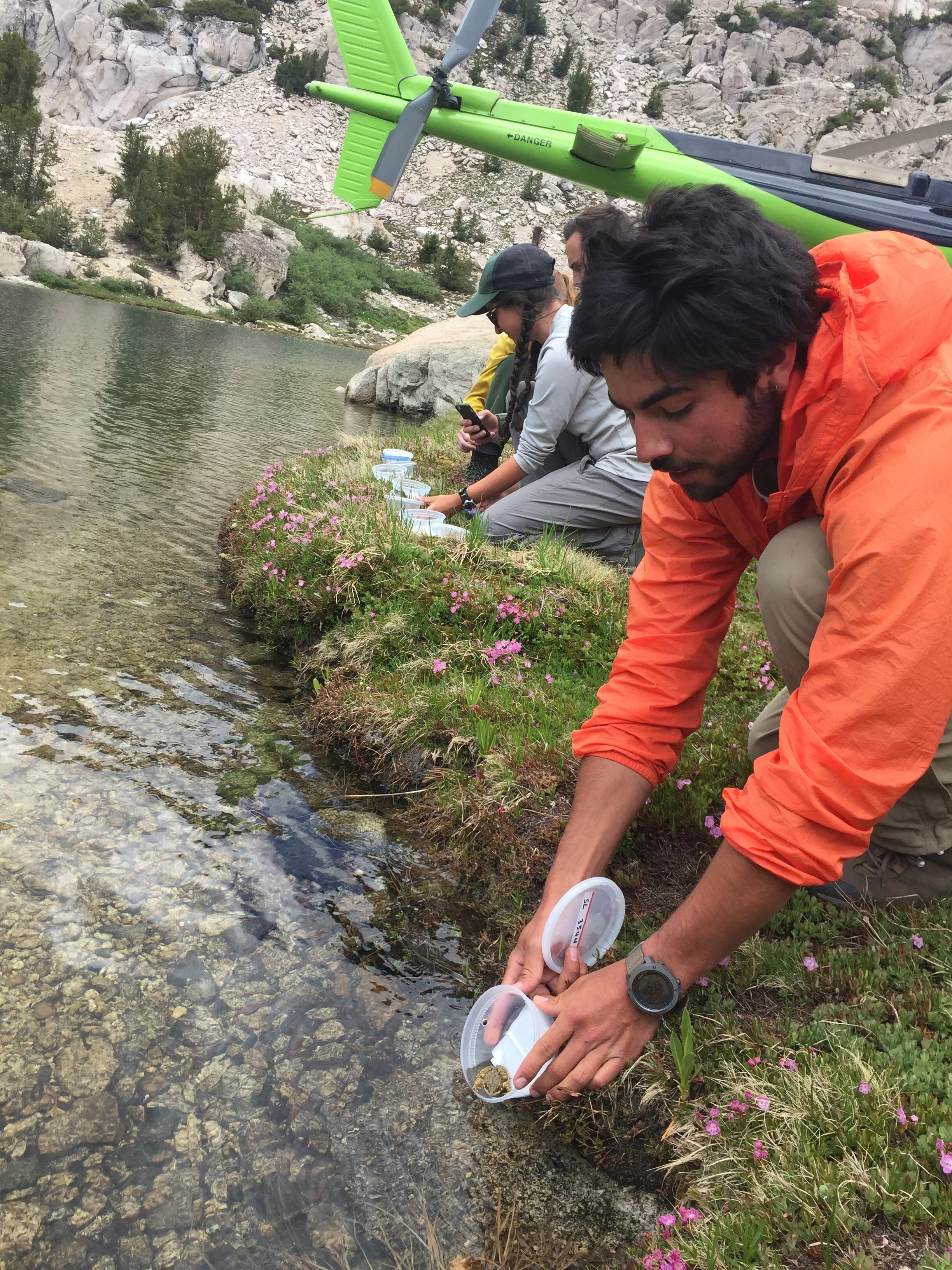
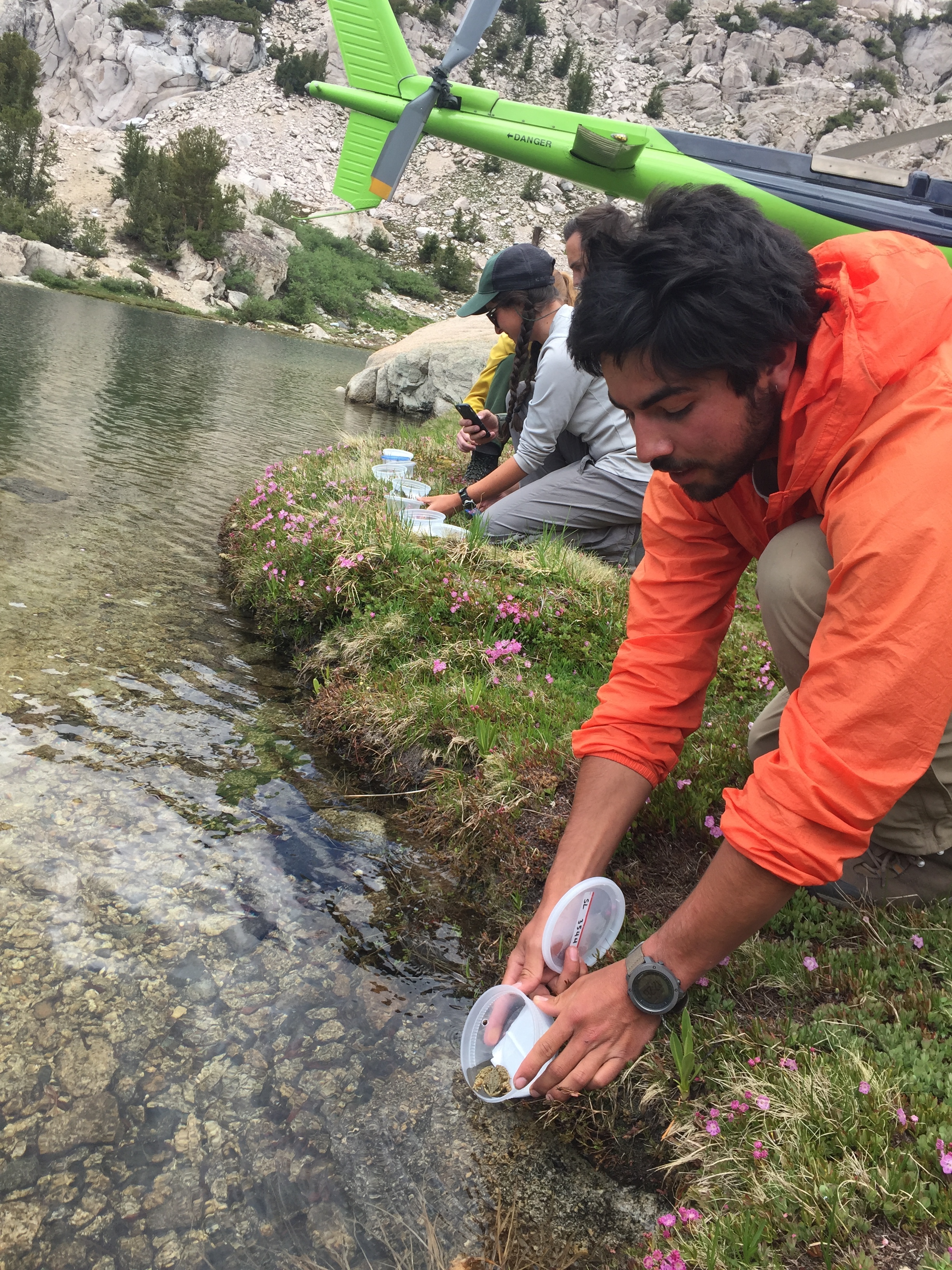
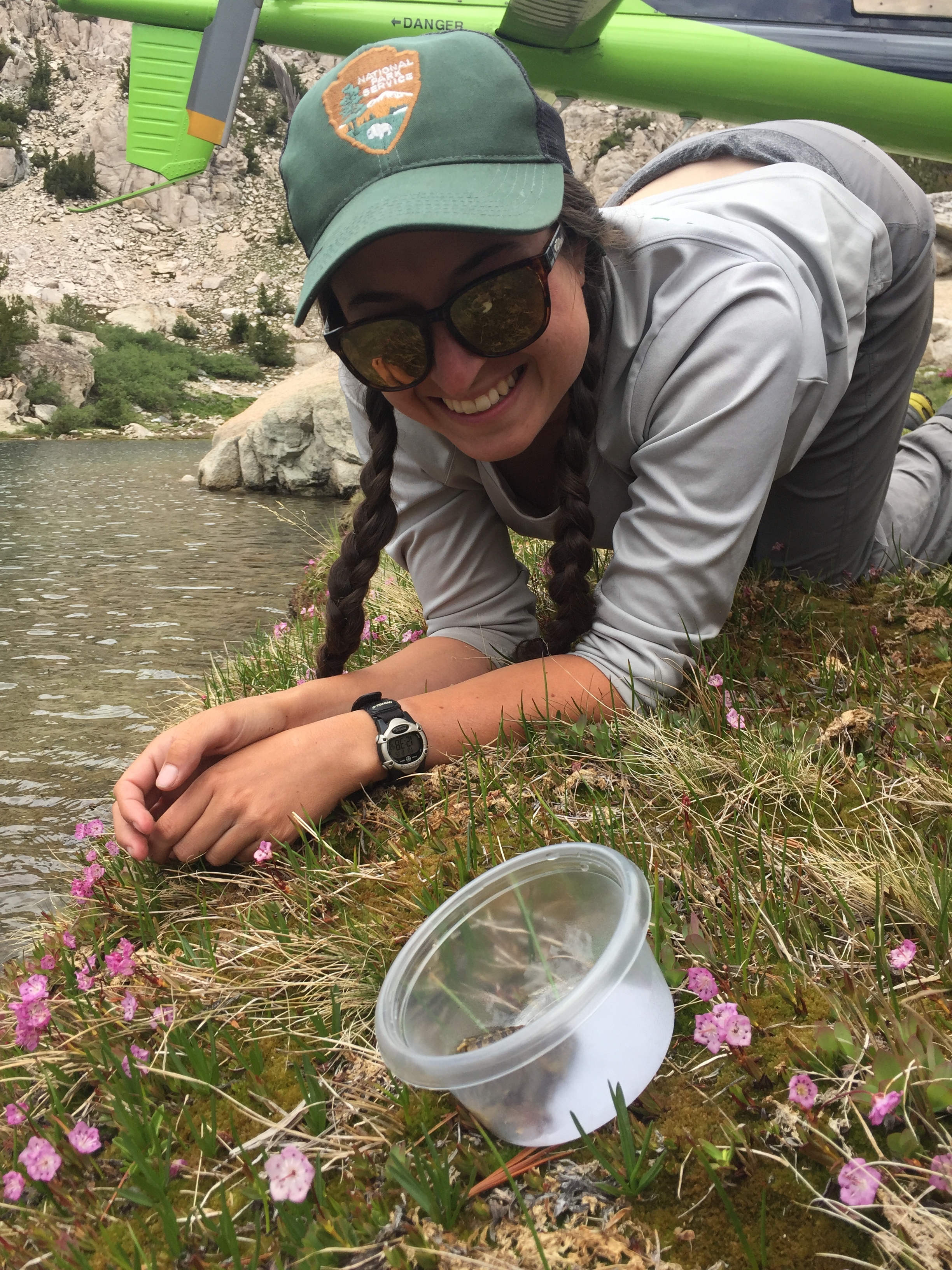
Miguel Provencio shows a mountain yellow-legged frog to freedom.
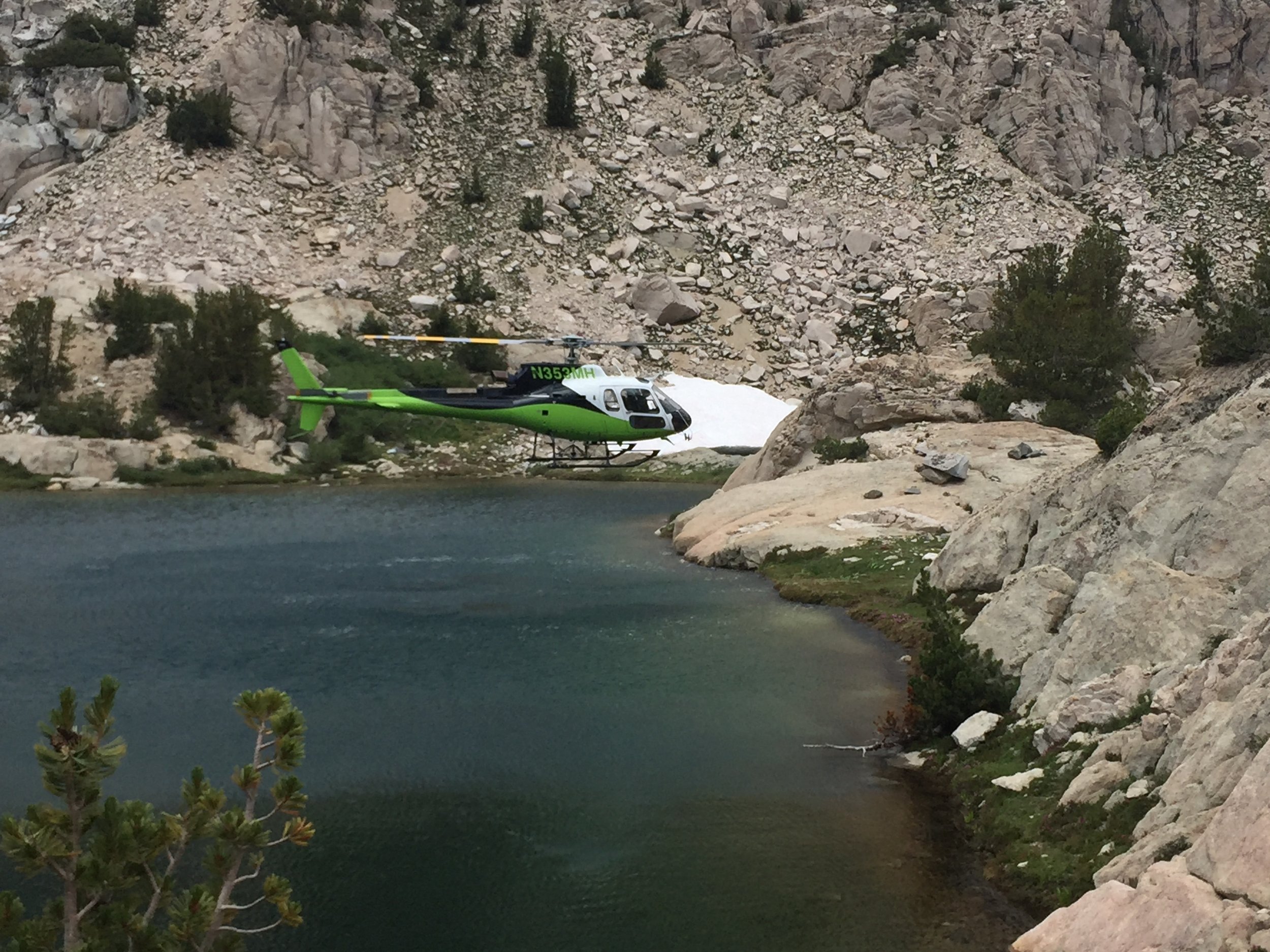
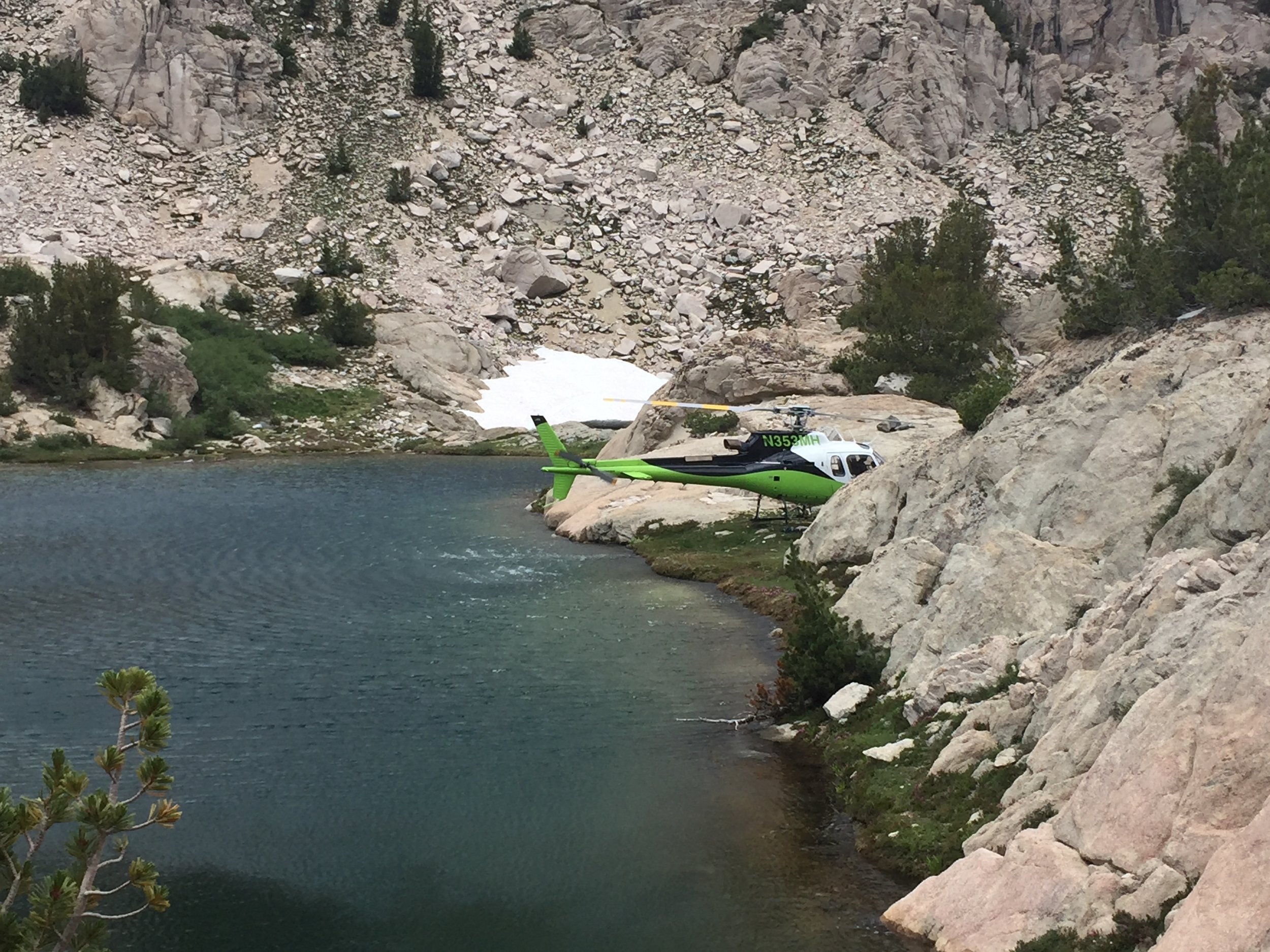
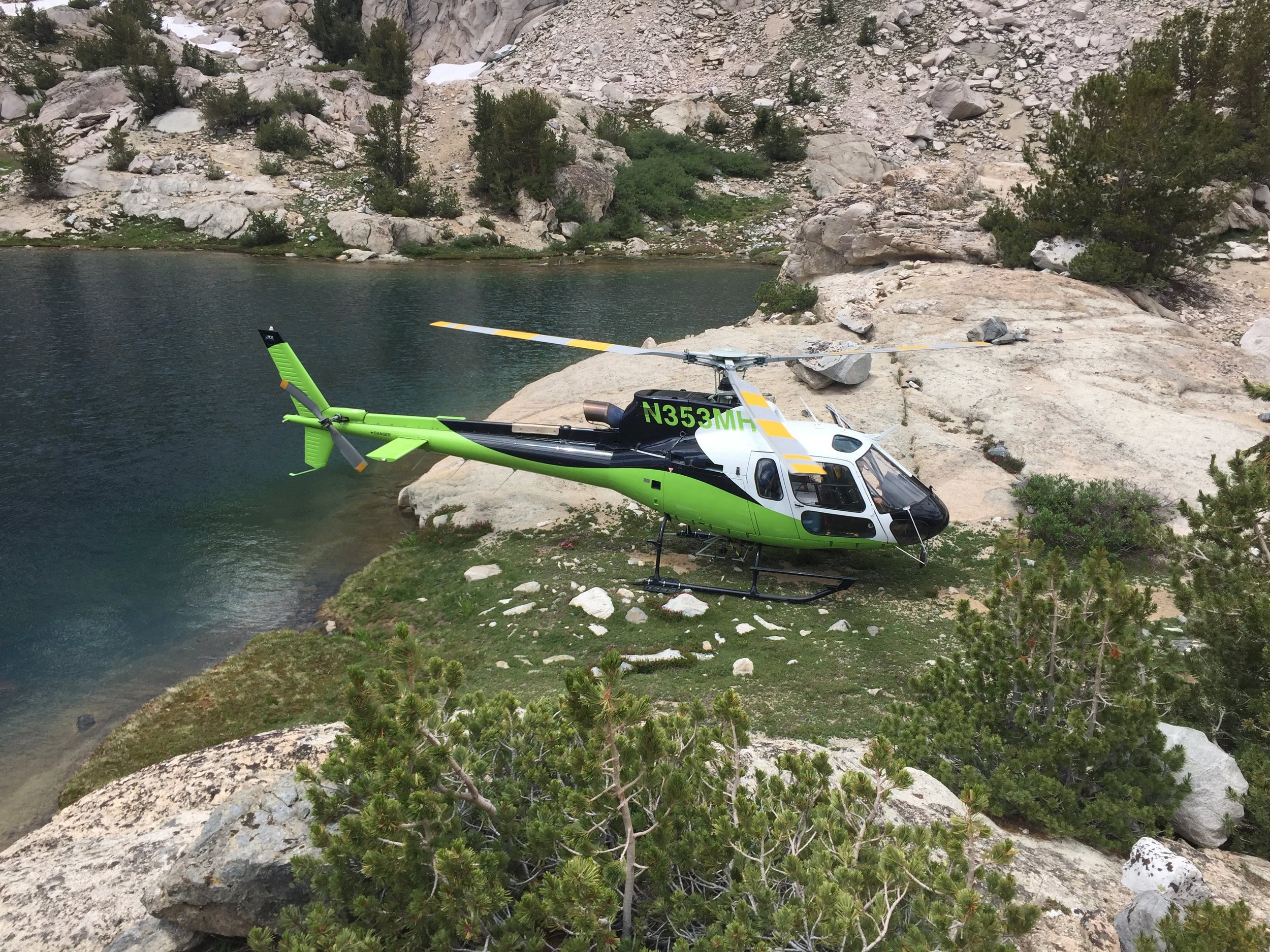
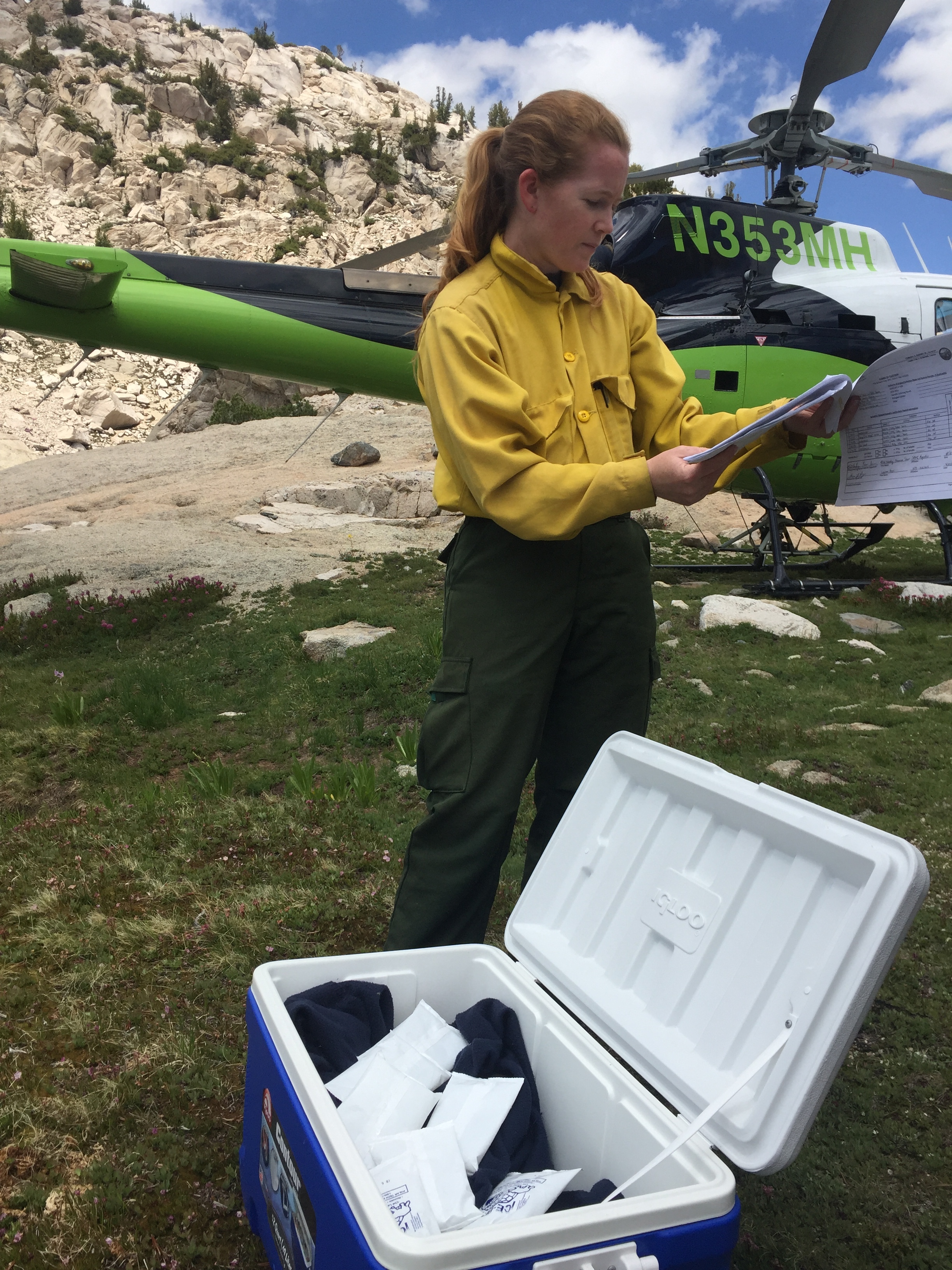
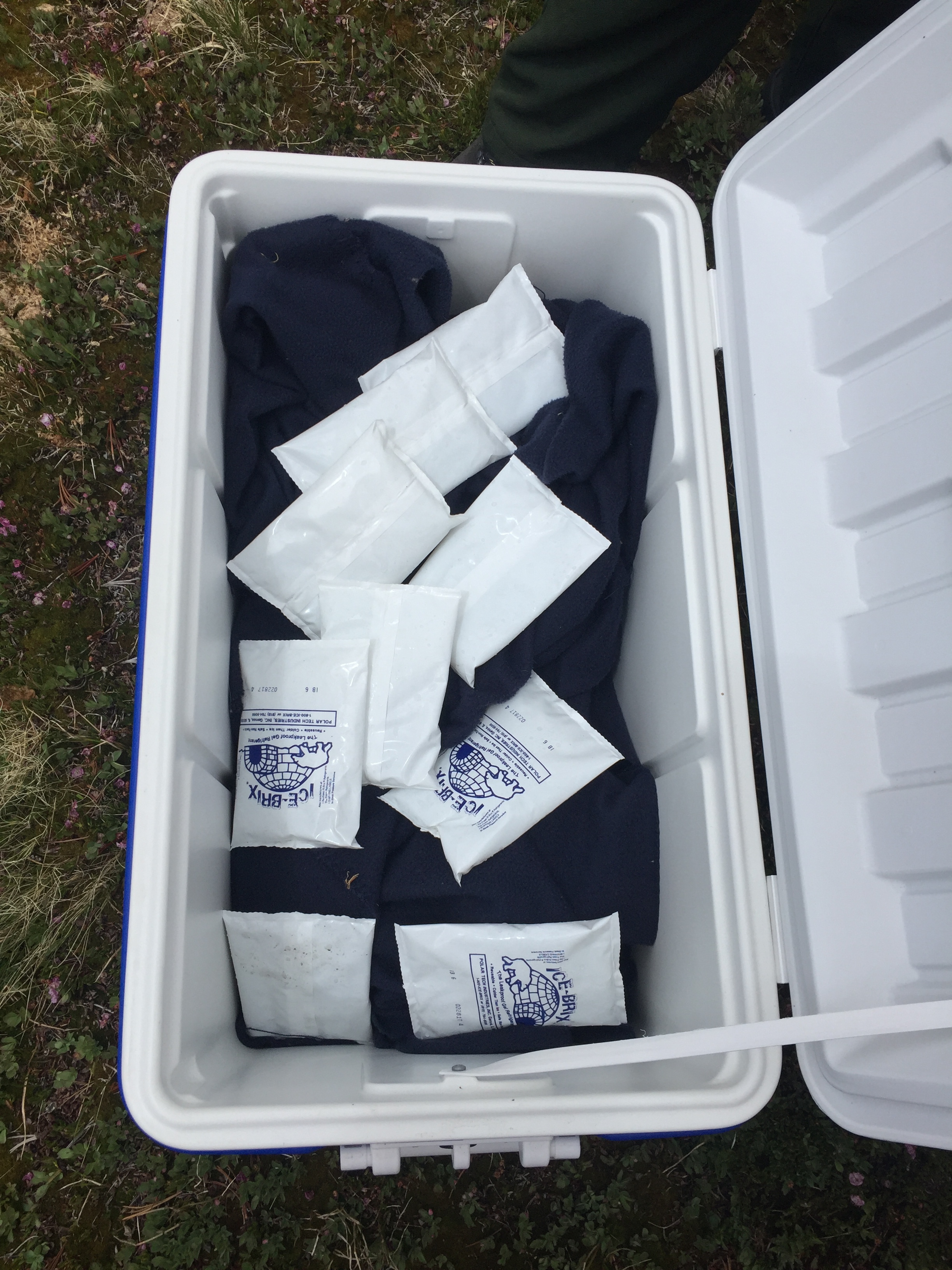
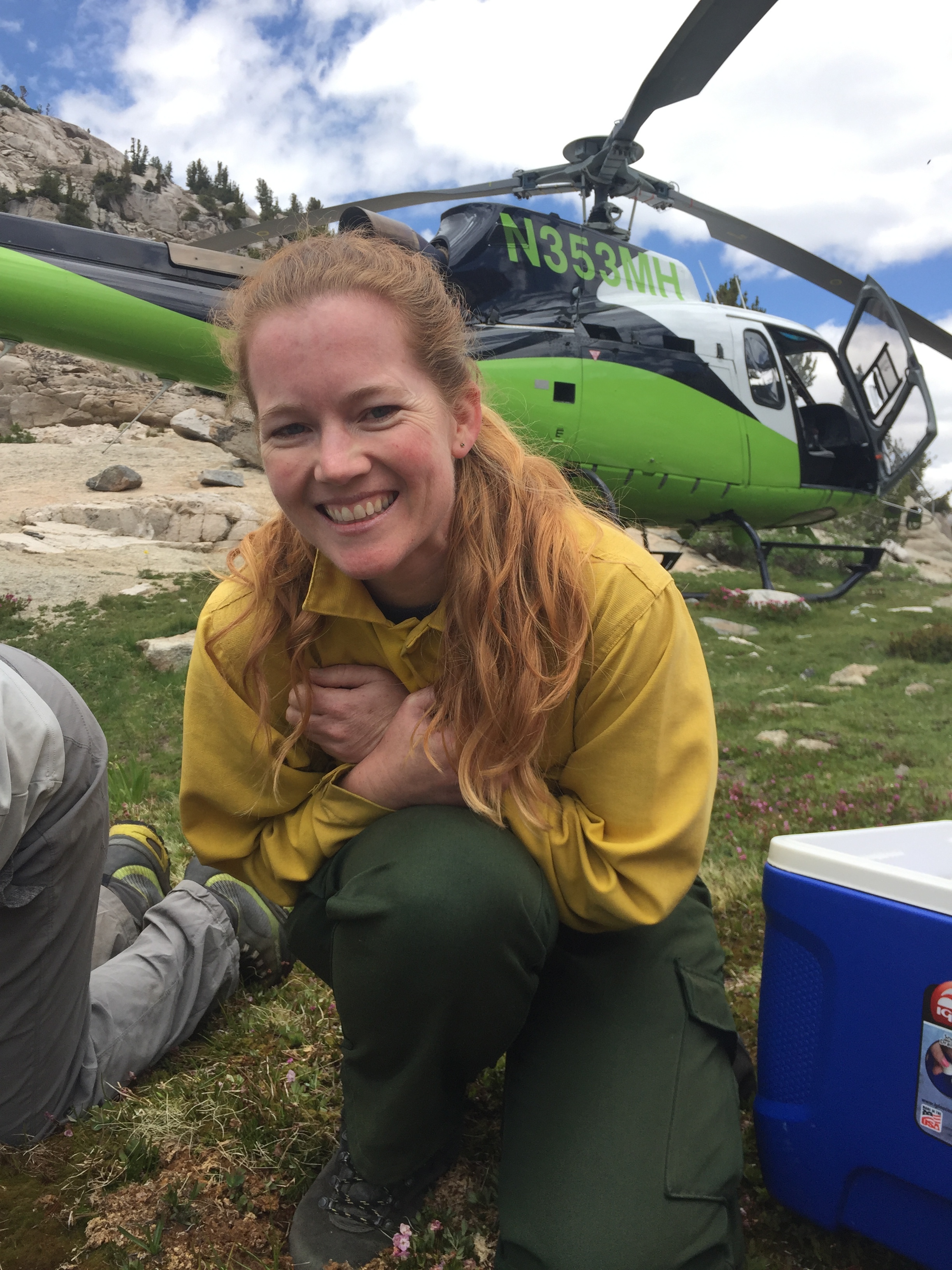
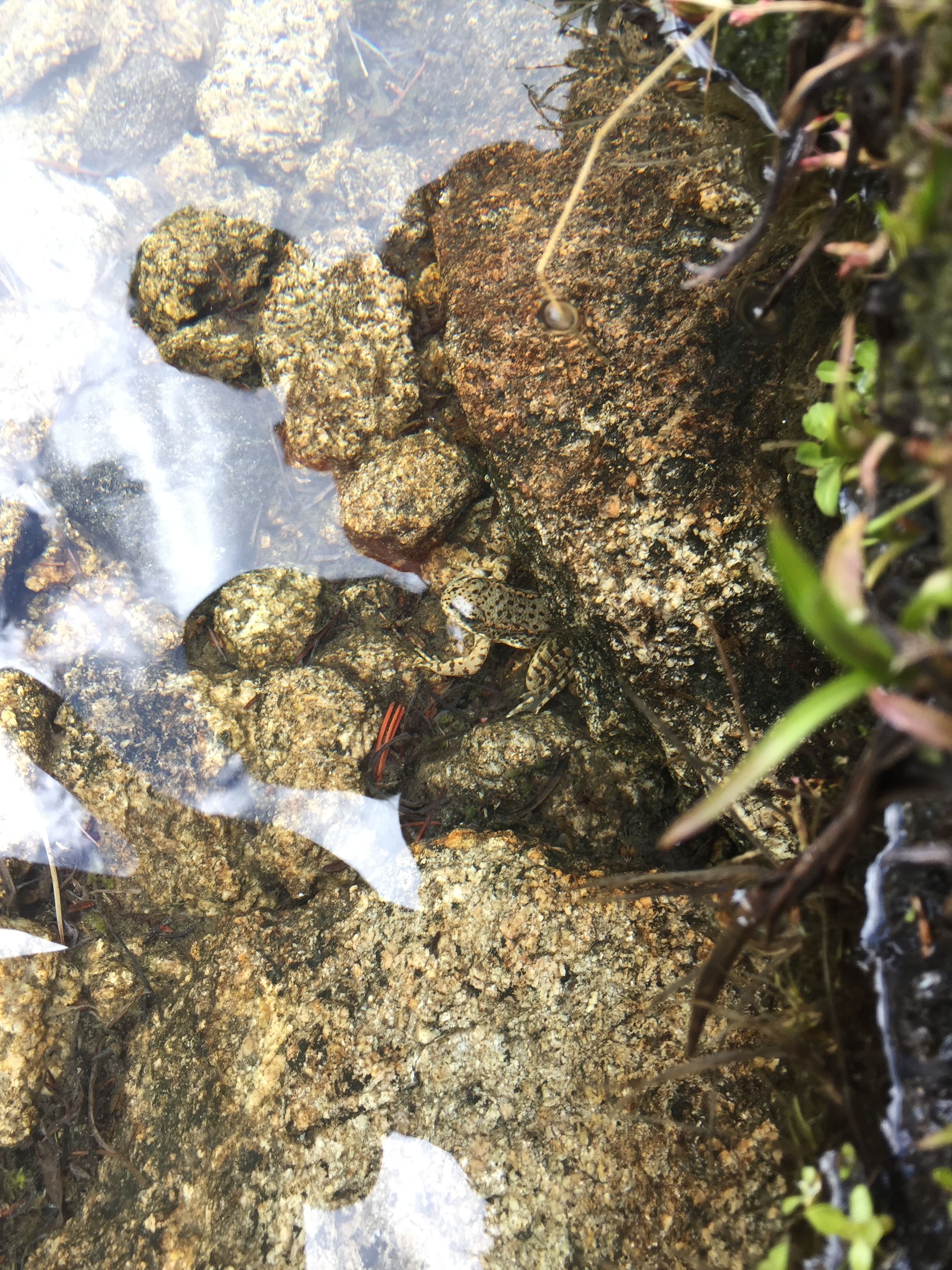
This week, we hiked to the site where my field partner and I will spend our next three 10-day trips. This basin is very different from the last, and about 400 feet lower, with more trees and fewer frogs. Having been hit by the amphibian chytrid fungus, the mountain yellow-legged frog populations here are persisting at a very low level. Frogs are even being flown up to higher fishless lakes in the basin to try to bolster their numbers, and this basin harbors one of those lakes. This week, 25 frogs were brought from the San Francisco Zoo, via Prius, to the Ash Mountain helibase of Sequoia-Kings Canyon National Park, and then flown by helicopter to our site. There is nothing quite like releasing animals back into their native home, in the hopes that they will persist into a better future. (More images are available in the gallery at the bottom of this post).

Mount Lyell salamander, Hydromantes platycephalus
Earlier in the week, we packed our sleeping bags and hiked up a side drainage in search of the rare, legendary Mt. Lyell salamander. This species belongs to the family of salamanders without lungs (Plethodontidae). What makes them extra special is that they are found only in seeps on cliff faces and in granite talus from 4,000 to 12,000 feet in elevation. They have even been observed on snow! Once we reached the granite bench where we would be sleeping, we watched the sun set over the basin while we waited for nightfall. Then we hiked up to the first seeps we could find. After some searching through the darkly colored cracks in the rock where the water trickled and the plants grew in miniature, there they were--two beautiful grey Hydromantes platycephalus, their skin perfectly matching the wet rock they clung to. One of them made a break for it and slowly crawled up the seep away from us. The other--larger--hunkered down in place. We stood on our toes to get a better view, balancing carefully on the edges of the wet, mossy rocks beneath our feet. Afterward, we stopped to watch the Milky Way perfectly reflected in a glassy lake like an inky underworld. Back at our granite slab overlooking the basin, we fell asleep under the final showing of the Perseid meteor shower.

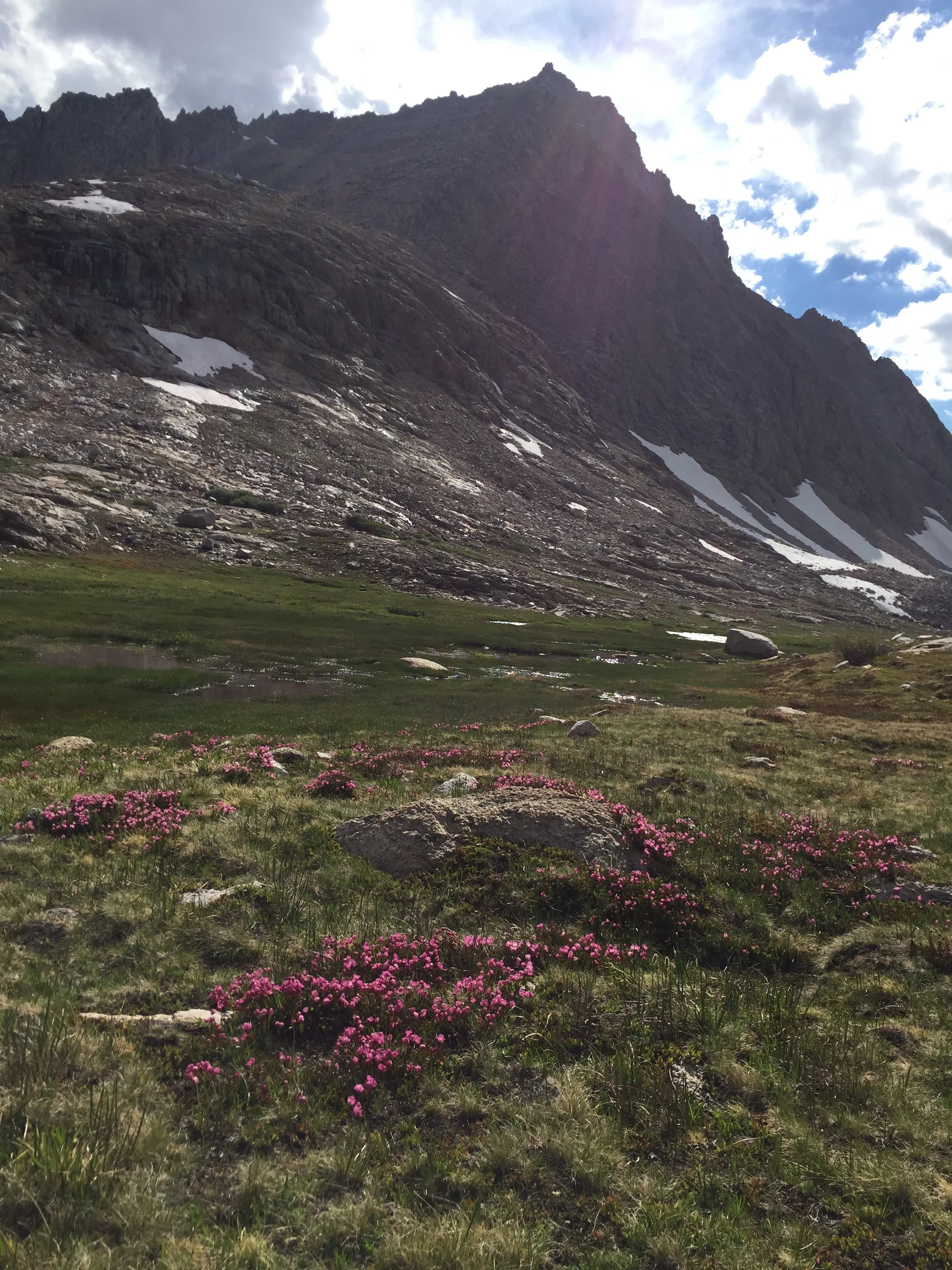
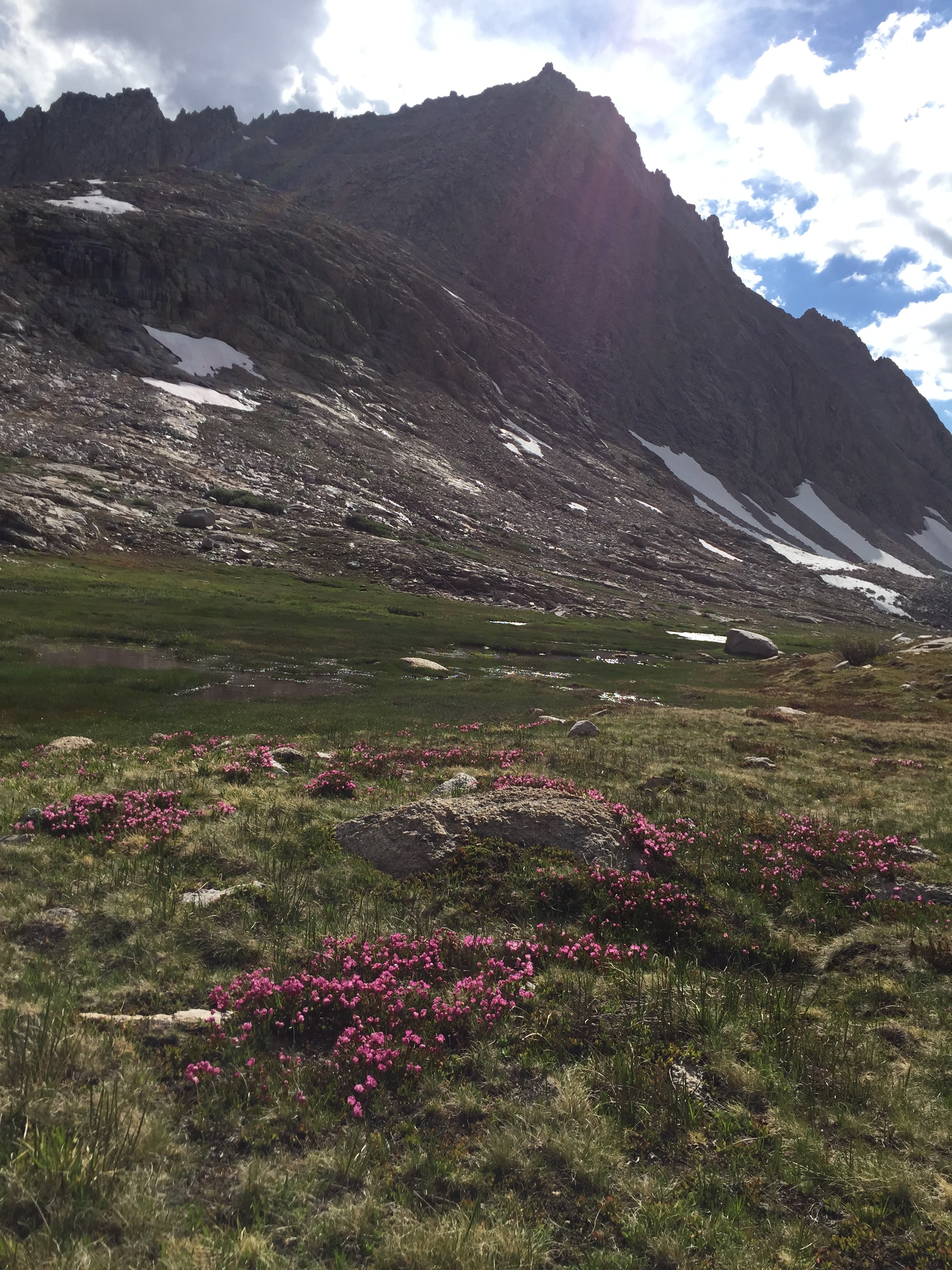
Again, the wildflowers were stunning, giving it all they've got in the brief window of High Sierra summer. They sprout up from the most unlikely places--between and under rocks, in the interstices of cliff faces. I was scrambling across some cliffs to reach a stretch of lake shore when the most perfect columbine I had ever seen exploded in front of me. It was flawless--the flowers had just opened, and the next blossoms in line were hanging at exact angles from the blooms. I was fairly far from the nearest trail and alone--I may be the only human who got to see that perfect flower.
It's no wonder that John Muir's descriptions of Sierra Nevada natural history read like devotional poems--here, nature has a way of reaching into a person like nowhere else.
Sierra Nevada Backcountry Trip #1: Frogs, micro botany, and the resurrection of diversity
"OH MY GOSH, YOU GUYS--LOOK AT THE FROGS!!!"
This was the sound of a coworker's reaction to seeing mountain yellow-legged frogs for the first time. These aren't just any frogs. They live only in these high elevation lakes and have suffered catastrophic losses from non-native fish predation and infectious disease. At a series of lakes that perfectly mirror the craggy, snow-flanked peaks above, we do our restoration work for these frogs.
"The only real antidote of anxiety is a sense of wonder”.
-Ravi Ravindra
"OH MY GOSH, YOU GUYS--LOOK AT THE FROGS!!!"
This was the sound of a coworker's reaction to seeing mountain yellow-legged frogs for the first time. These aren't just any frogs. They live only in these high elevation lakes and have suffered catastrophic losses from non-native fish predation and infectious disease. At a series of lakes that perfectly mirror the craggy, snow-flanked peaks above, we do our restoration work for these frogs. We are taking out the non-native fish to give them a fighting chance, and it is working—this site has one of the largest populations of mountain yellow-legged frogs around.
We were all gleeful, giddy--we had just hiked 13 miles and climbed over 3,000 feet--twice--to get here. All along the way, around every corner, hiding beneath each boulder--was another bounty of striking beauty. Such is the high Sierra in springtime. Yes it is August, but seasonally it is spring since the snow has just melted and the buzzing blooming life is just getting underway. The tiniest imaginable versions of old familiar plants are growing here--paintbrush 3 inches high; manzanita a mere 2 inches high, more of a groundcover.
Midweek, we hiked up to a higher lake in the basin—a smaller one that has had most of the fish removed. The difference was striking. Grey-crowned rosy finches abounded, feeding their young, almost colliding with us as they caught insects all around us. The mountain yellow-legged frogs, though, were the most astounding. In the slower-moving inlet stream to the lake, their egg masses could be found all over the place. Every time you took a step, another handful of frogs would jump into the water. Tadpoles of every size swam in the shallows, some just hatched from their eggs. The entire lake seemed like it was humming with a broad diversity of life, all because the non-native fish were no longer there.
I understand the basic ecological concepts behind the work we have set out to do. Yet, to experience true recovery--fully and directly--gave me an altogether different understanding, and a sense of hope I'm not accustomed to in conservation.
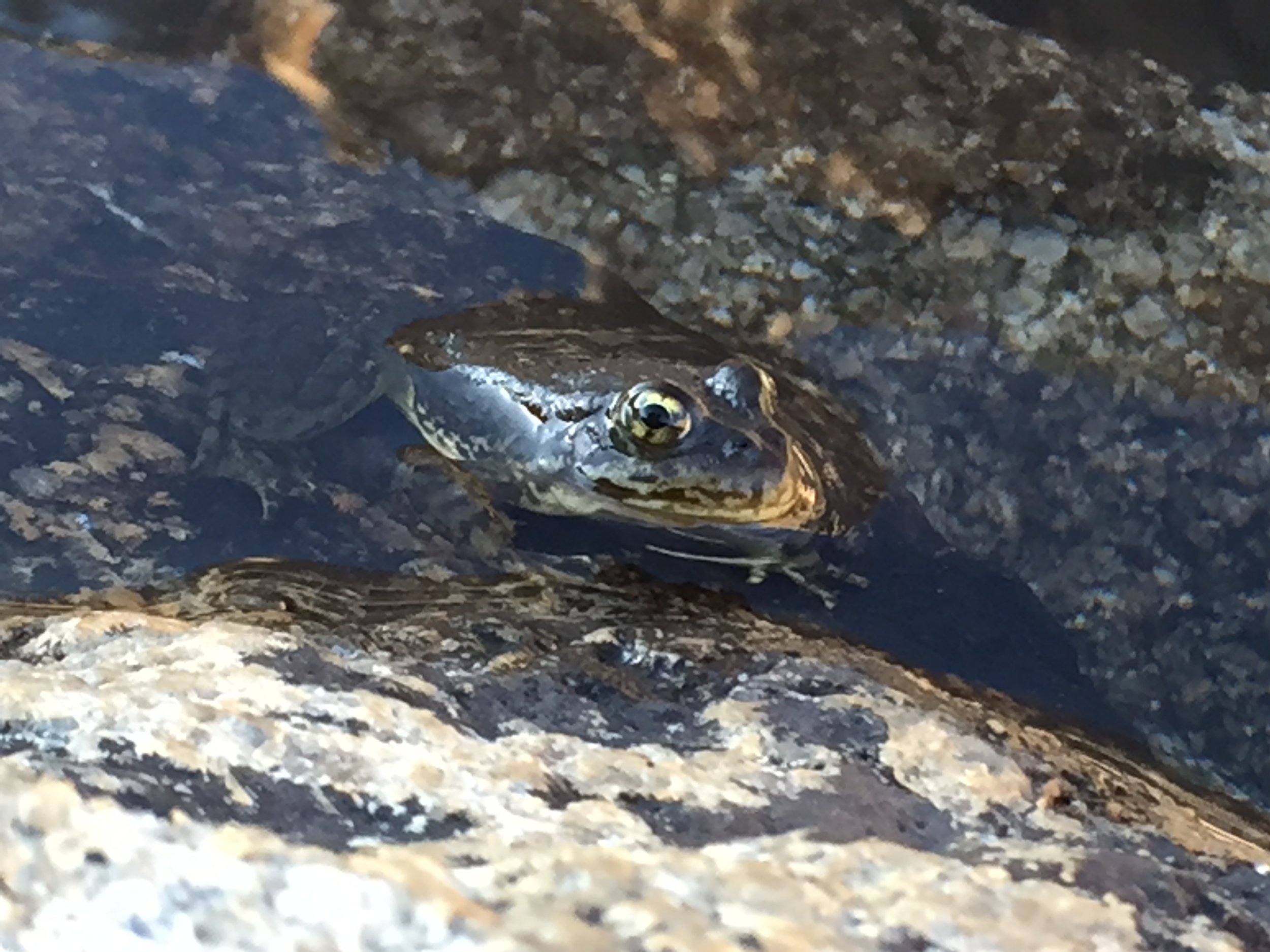
Mountain yellow-legged frog

Mountain yellow-legged frog egg mass


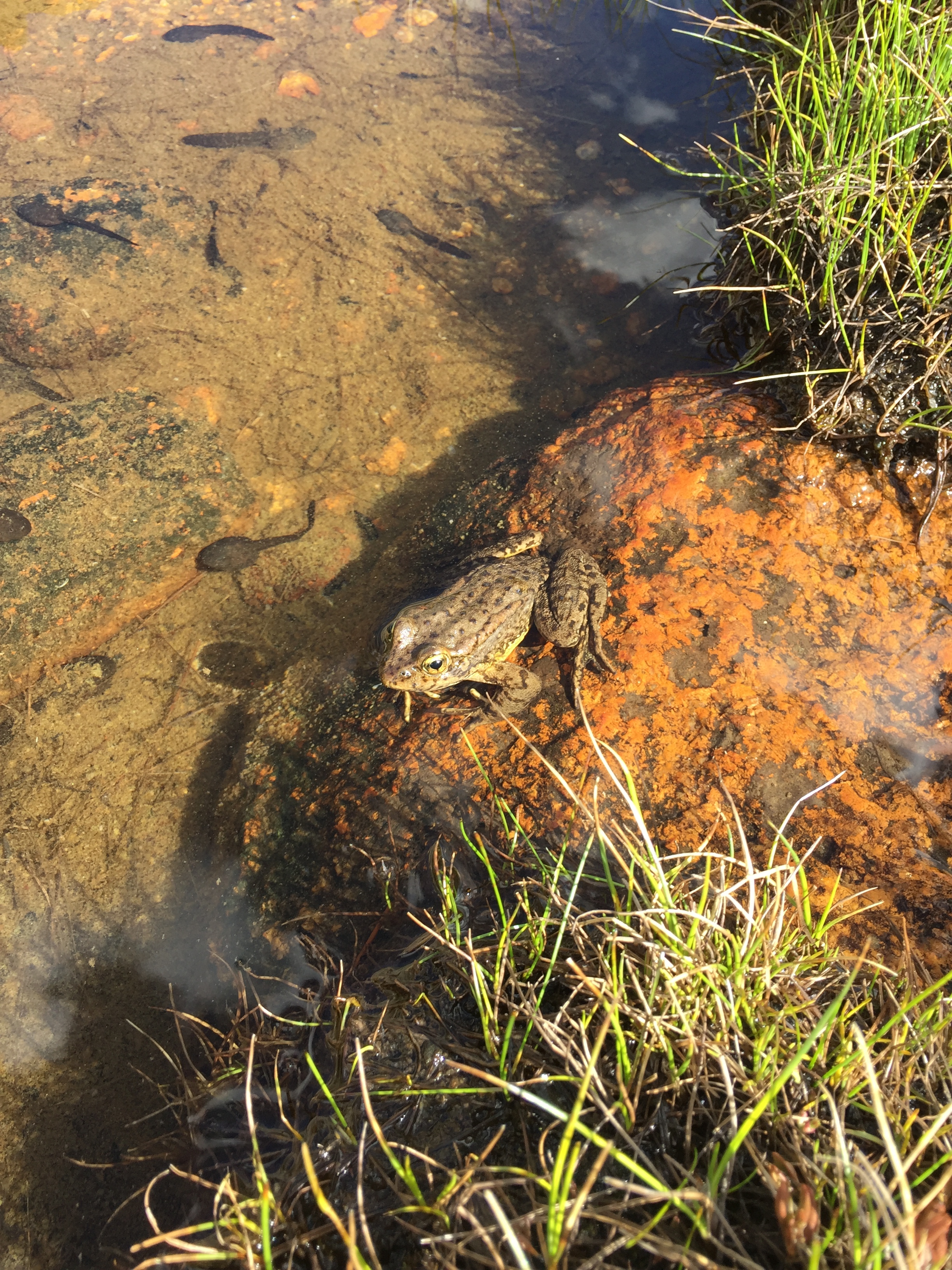
Mountain yellow-legged frog and tadpoles
A summer in Sequoia-Kings Canyon National Park, Week 1: Get trained up!
This week kicked off my first full summer of field work in quite a long time, and I'm thrilled to be part of Sequoia-Kings Canyon National Parks' aquatic restoration team. I will be posting updates here on the adventures that lie ahead.
This week kicked off my first full summer of field work in quite a long time, and I'm thrilled to be part of Sequoia-Kings Canyon National Parks' aquatic restoration team. I will be posting updates here on the adventures that lie ahead.
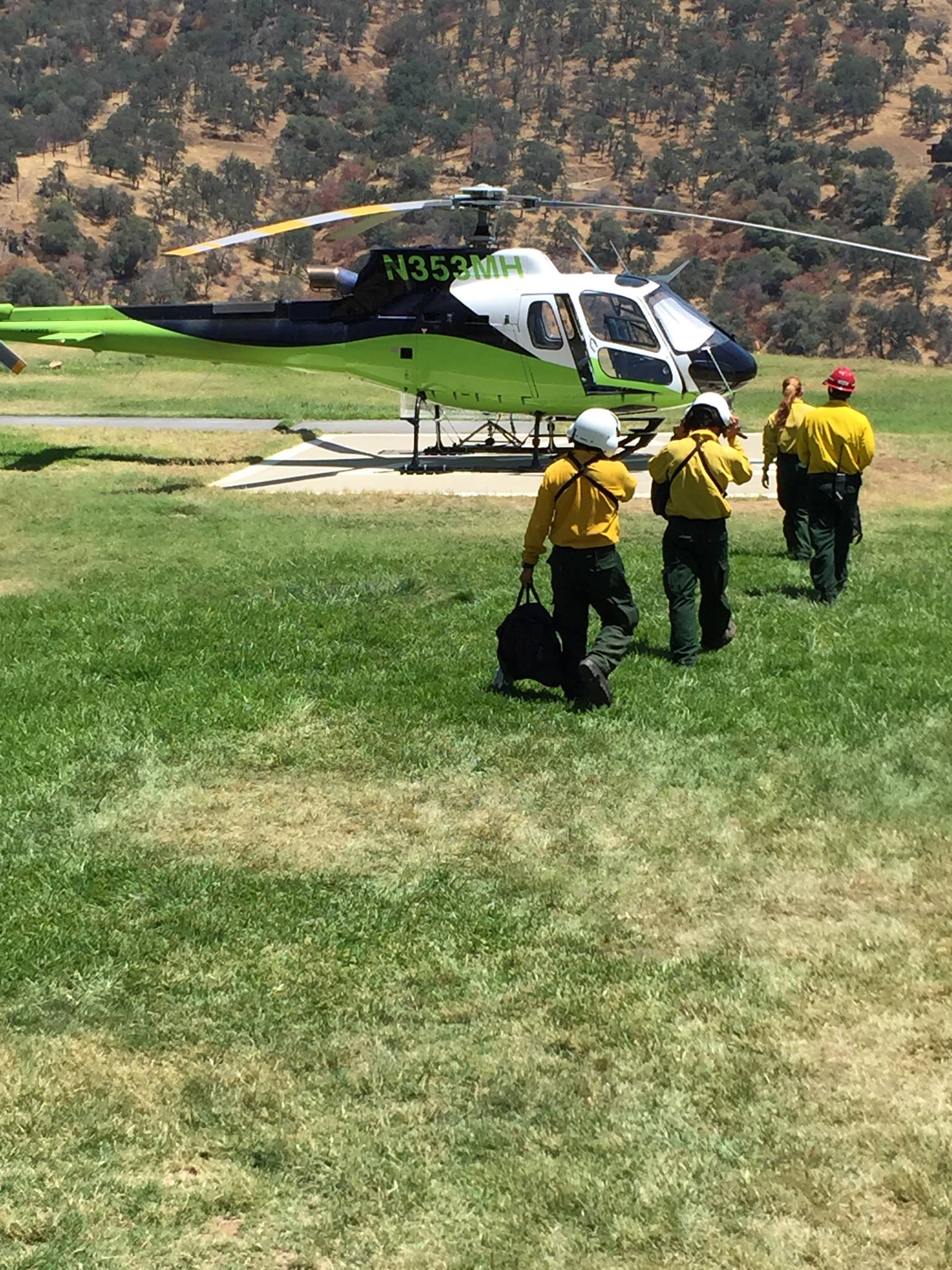
This week we were at Ash Mountain, the headquarters of Sequoia National Park. Just up the road from Three Rivers, California, temps regularly reached over 100 degrees Fahrenheit during the day, but spirits were high with the excitement of the long stretches of backcountry time in the near future. The team and I mended gill nets, checked out gear, attended several safety and technical trainings, got trained in electrofishing, and mended more gill nets.
It's been a shocking 15 years since I last officially worked for the U.S. National Park Service. It feels really good to be back.